 IslandFlexFlow
Island Nutrition for Natural Flexibility
Discover how island-grown herbal and marine-derived elements contribute to maintaining natural joint flexibility and smooth daily motion.
How Island Nutrition Supports Natural Flexibility
Island-grown foods have been part of traditional diets for centuries. These tropical and marine-sourced ingredients contain natural compounds that have been studied for their potential role in supporting daily wellness and nutritional balance.
From fresh coconut water to local marine plants, island nutrition provides a diverse range of components that contribute to a balanced lifestyle. Understanding these natural elements helps us appreciate the connection between traditional eating patterns and overall well-being.
How Tropical Foods Support Daily Motion
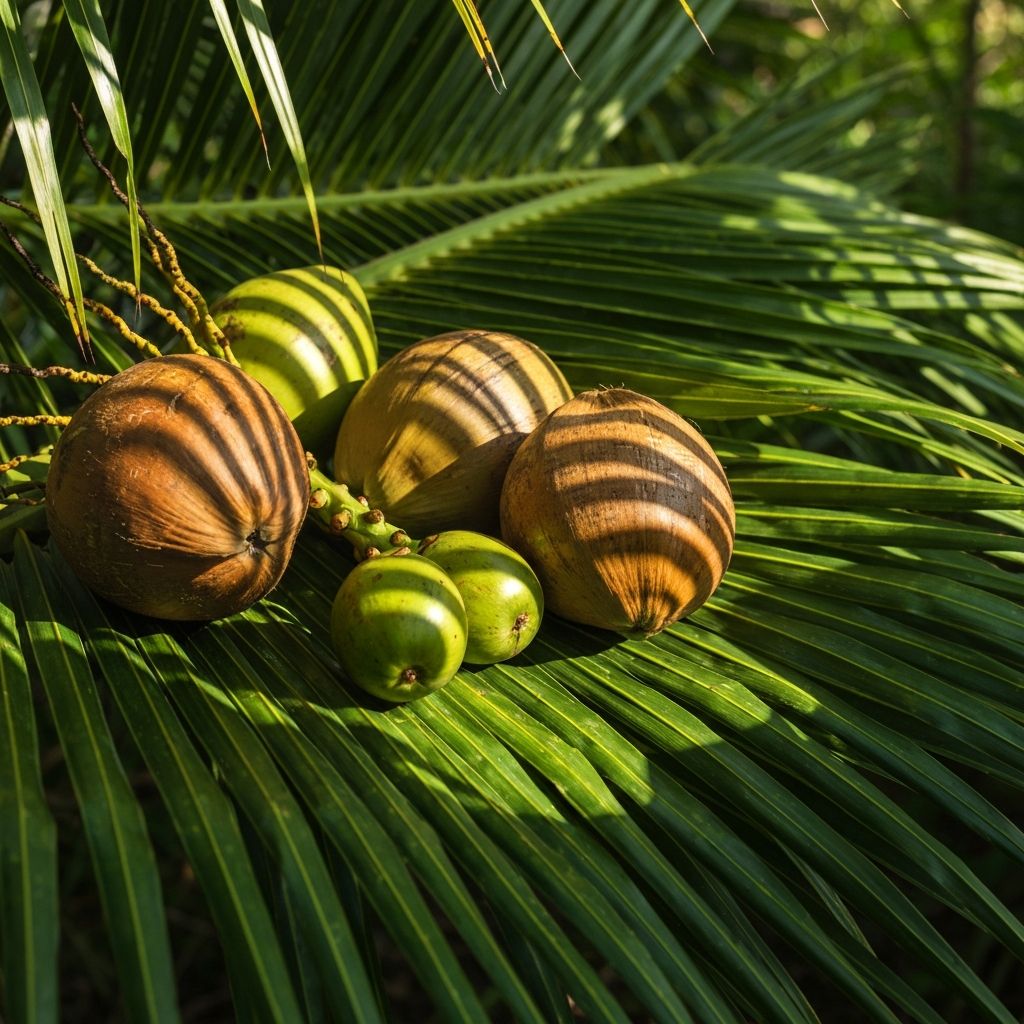
Tropical foods contain natural compounds that have been part of island diets for generations. The warm climate and rich soil produce fruits, herbs, and vegetables with unique nutritional profiles.
Marine sources in island regions offer additional dietary elements that support a well-rounded nutritional approach. These natural foods provide building blocks that the body uses in its normal physiological processes.
Main Island-Sourced Compounds
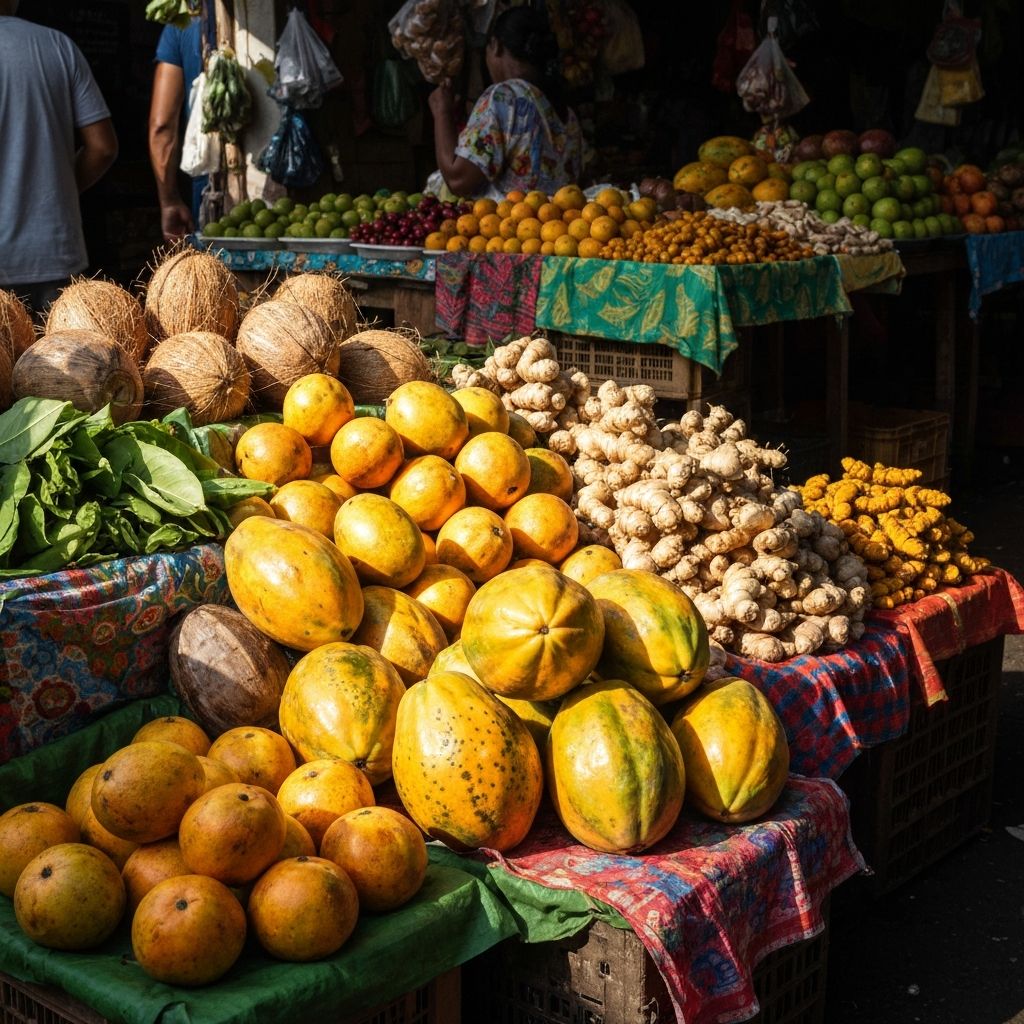
Natural compounds found in island foods provide various nutritional elements. The following sections detail some of the key components and their dietary sources.
Glucosamine from Tropical Marine Sources
Marine Origins
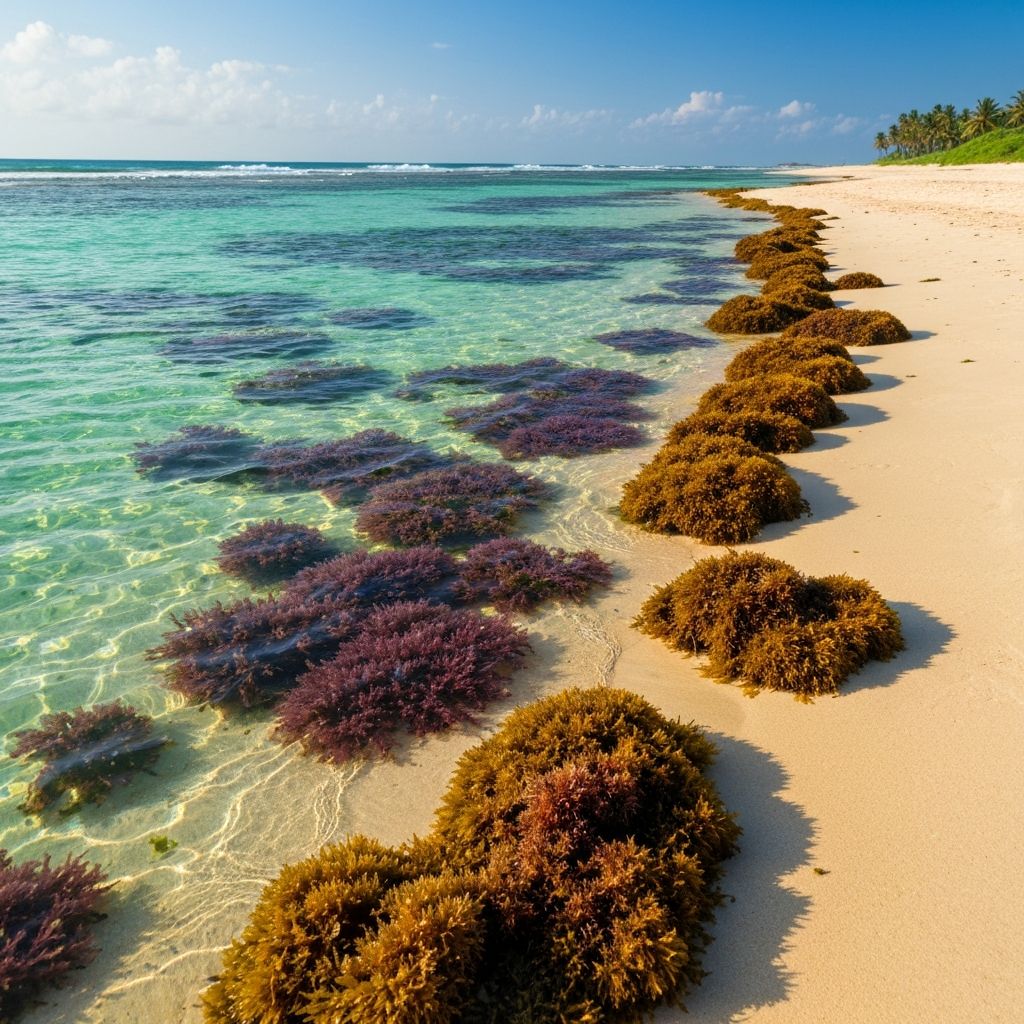
Glucosamine is a natural compound found in marine organisms and shellfish common to tropical coastal areas. This element has been studied as a component of a balanced diet supporting overall nutritional wellness.
Traditional island diets have included these marine sources for centuries. The natural availability and bioavailability of marine-derived glucosamine makes it an interesting nutritional topic for study and discussion.
Chondroitin in Island Diet Sources
Dietary Presence
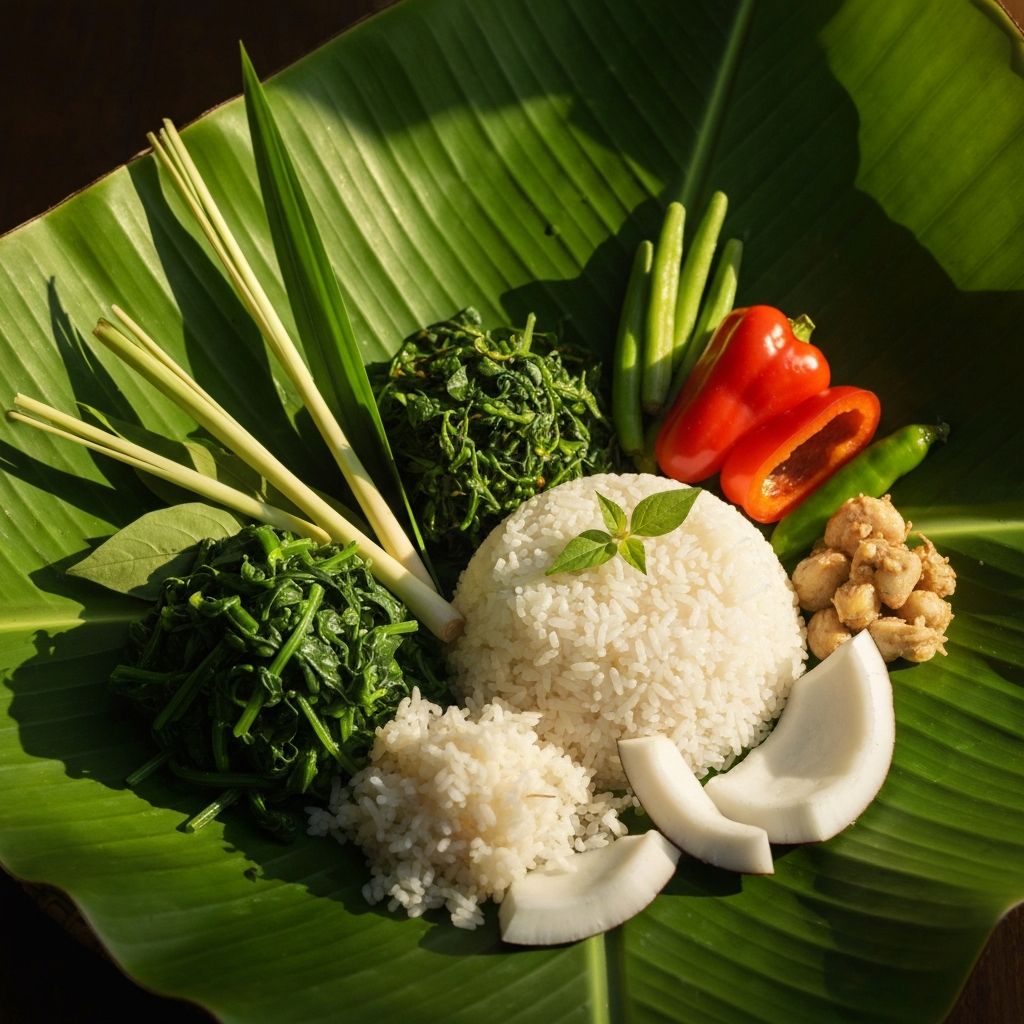
Chondroitin is found naturally in fish and marine products that are staples of island diets. This compound appears naturally in seafood and represents an interesting component of traditional nutritional approaches.
Island communities have consumed these marine sources as part of their regular diet for generations. The presence of natural chondroitin in traditional foods demonstrates how balanced nutrition comes from varied dietary sources.
Collagen from Fish & Sea Origins
Fish-Derived Sources
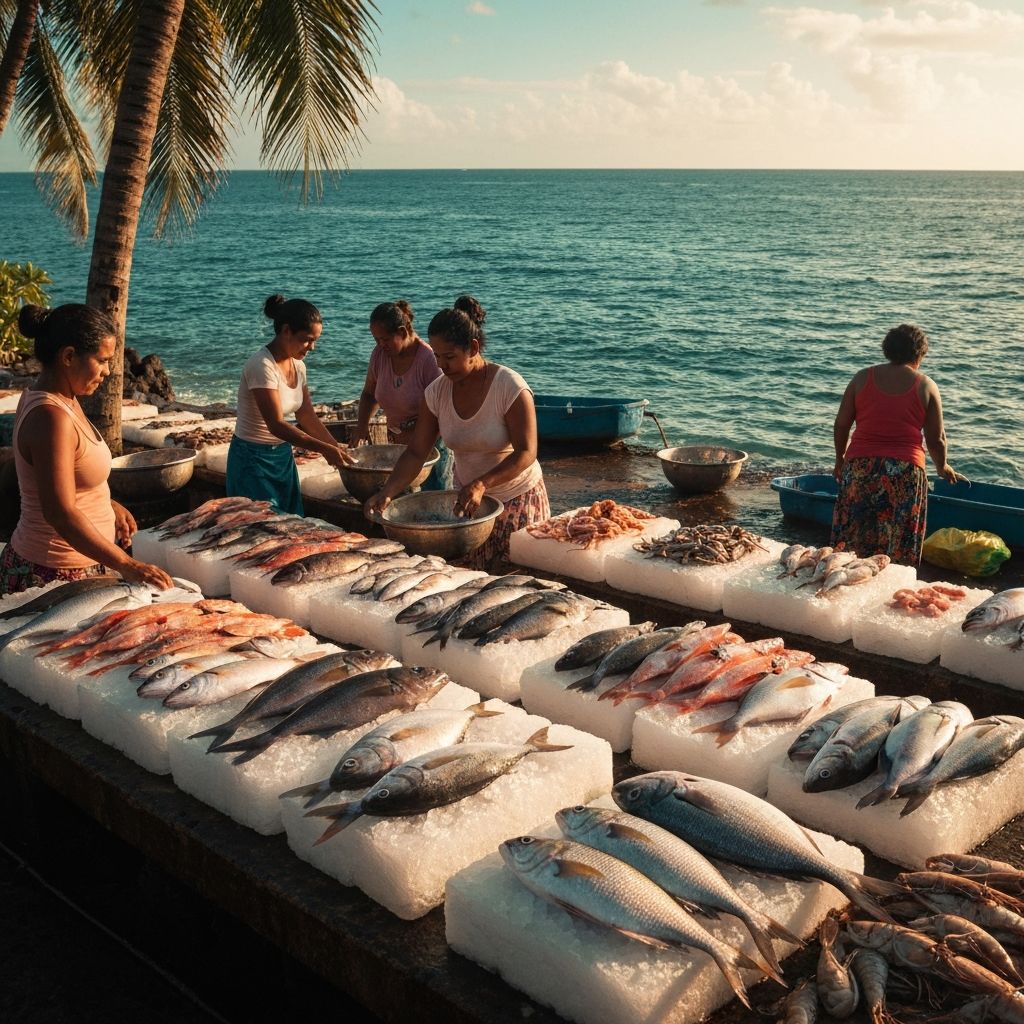
Fish and seafood are natural sources of collagen, a protein component found throughout the ocean ecosystem. Marine collagen has been studied as a dietary element supporting nutritional balance.
Island fishing traditions provide access to fresh marine sources rich in natural proteins. Fish bone broth and traditional fish dishes have been part of island nutrition for centuries, representing natural sources of collagen-containing foods.
MSM in Tropical Plant Foods
Natural Sulfur Compounds
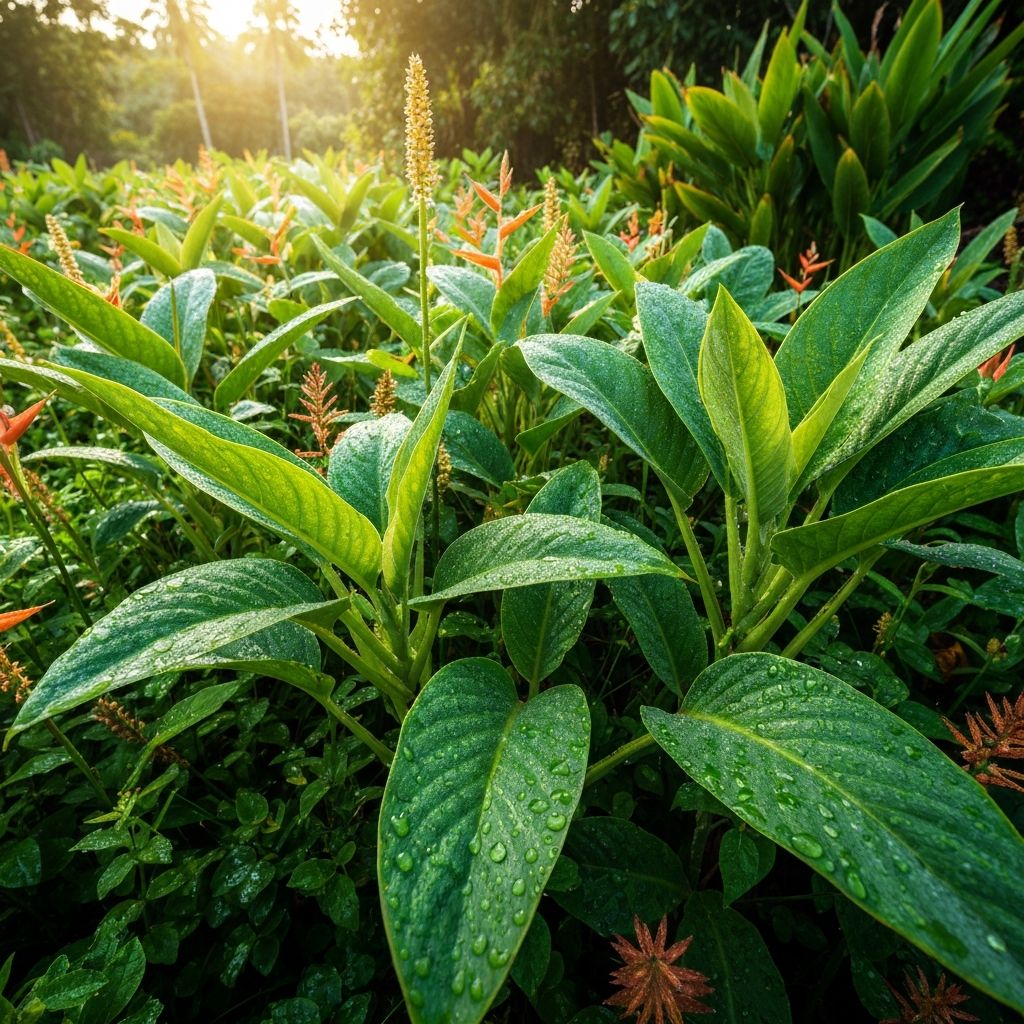
MSM (methylsulfonylmethane) is a natural sulfur compound found in various plants. Tropical vegetation contains measurable amounts of this element, which has been studied for its role in nutritional science.
Fresh tropical plants, particularly those grown in sulfur-rich volcanic soils common to island regions, provide natural sources of this compound. Understanding MSM's presence in foods helps explain why traditional diets remain nutritionally complete.
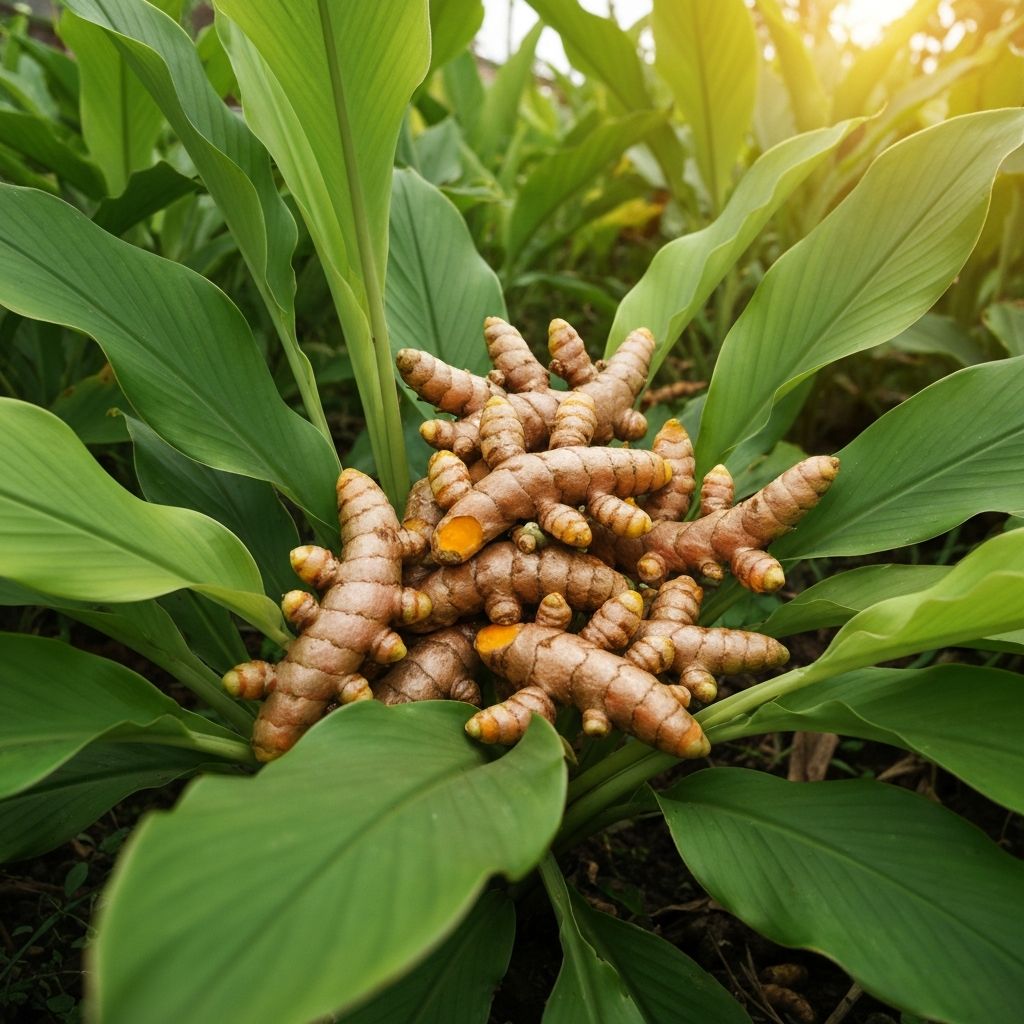
Curcumin from Local Turmeric Roots
Turmeric in Island Cuisine
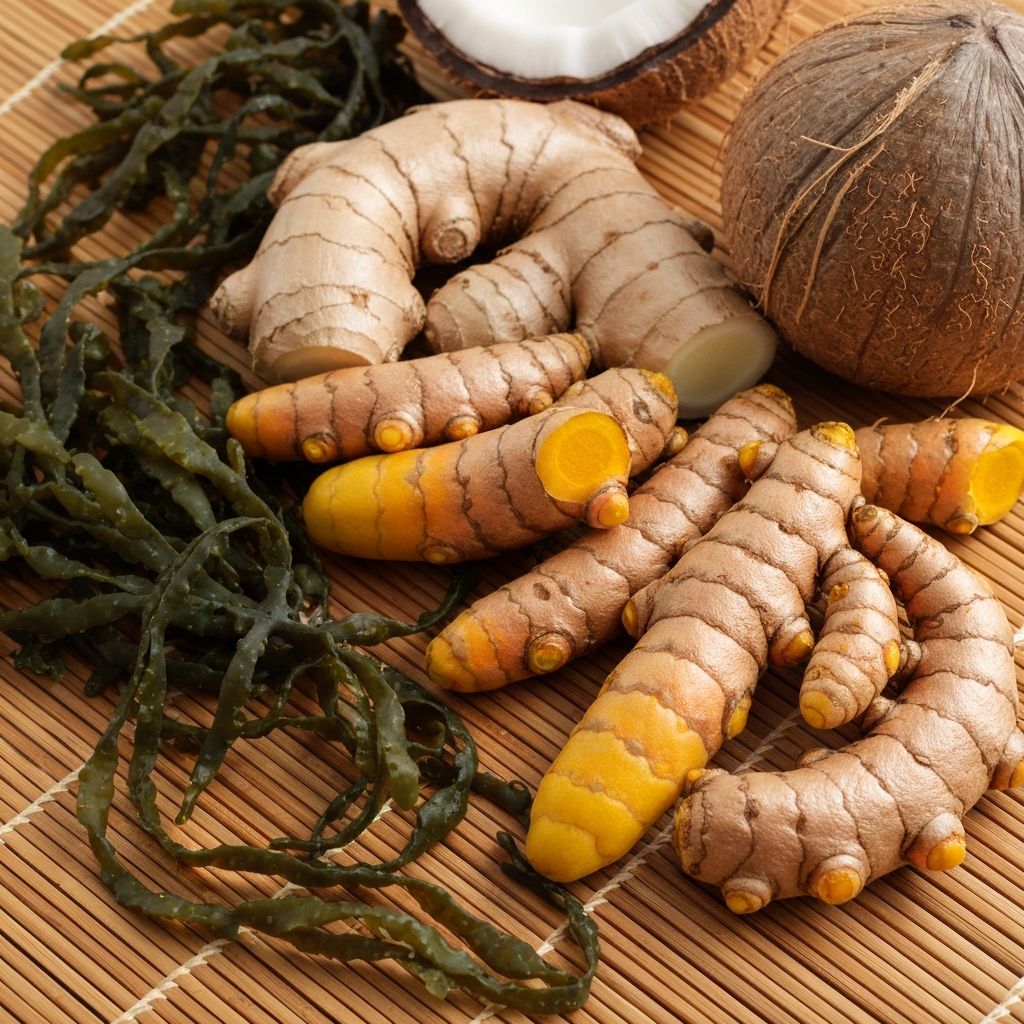
Curcumin is the active compound in turmeric, a spice fundamental to island cooking traditions. Indonesian turmeric has been studied for its bioavailability and role in traditional wellness practices.
Fresh turmeric roots grown in island volcanic soil contain high concentrations of curcumin. This bright yellow compound has been used in traditional medicine and cuisine for thousands of years, representing an excellent example of food-based nutrition.
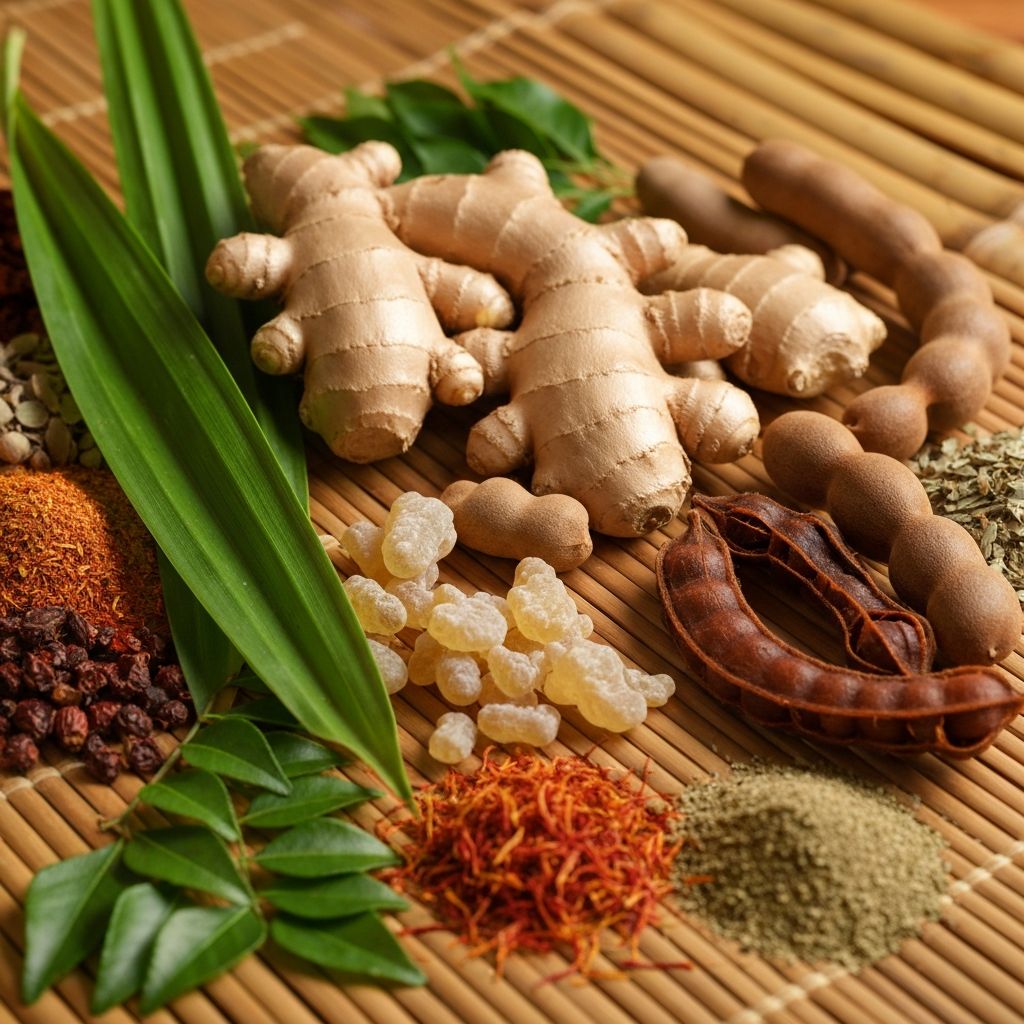
Ginger, Tamarind, Pandan & Boswellia
Island Herb Complex
Several powerful herbs grow natively in tropical island regions. Ginger provides warming spice compounds, tamarind offers a rich mineral profile, pandan leaves provide unique aromatic elements, and boswellia contributes resin compounds studied in nutritional research.
These herbs are woven into the fabric of island cooking and traditional practices. Each contributes distinct compounds that work together in a balanced nutritional approach, explaining why island cuisines have sustained populations for centuries.
Island-Grown Natural Compounds
Supporting mobility through nature's bounty for men and women
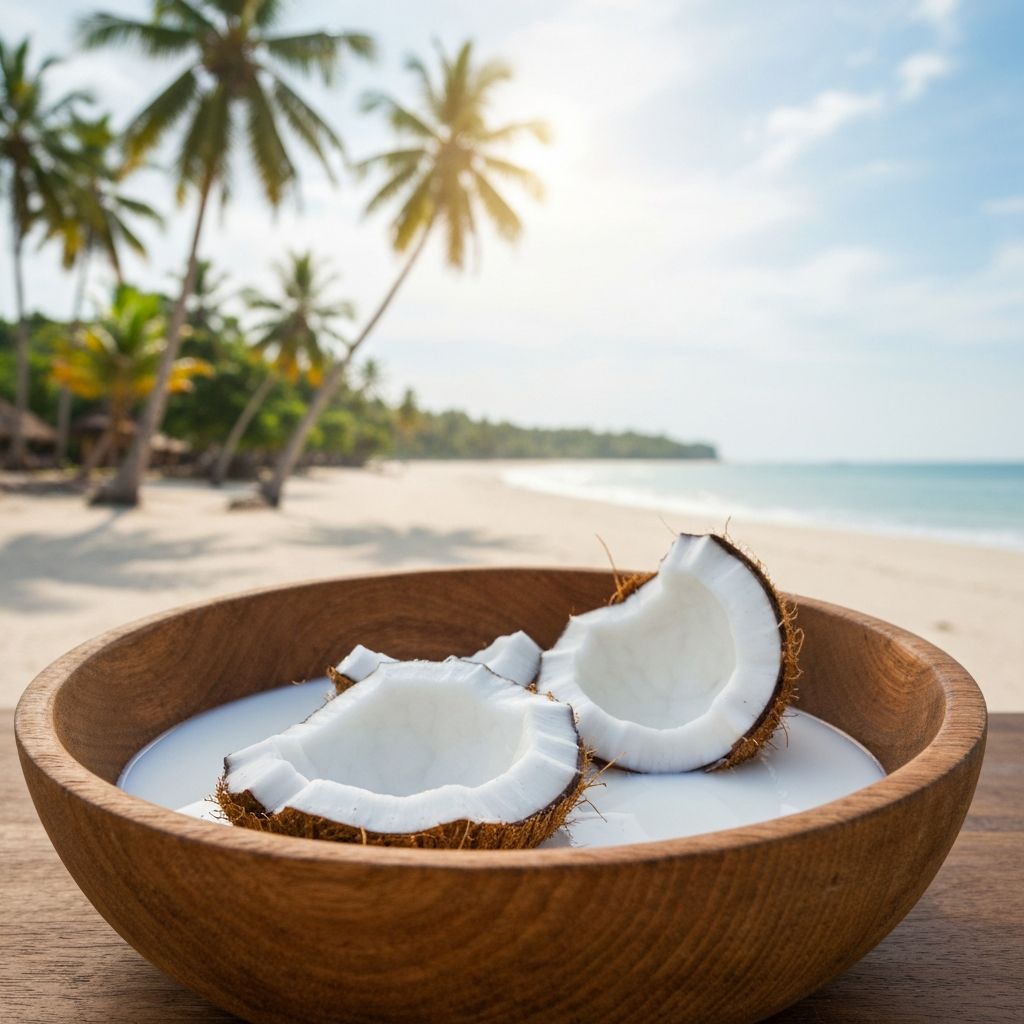
Marine & Coconut Complex
Fresh coconut-derived elements combined with marine plant sources. These natural ingredients support a complete nutritional profile for daily wellness.
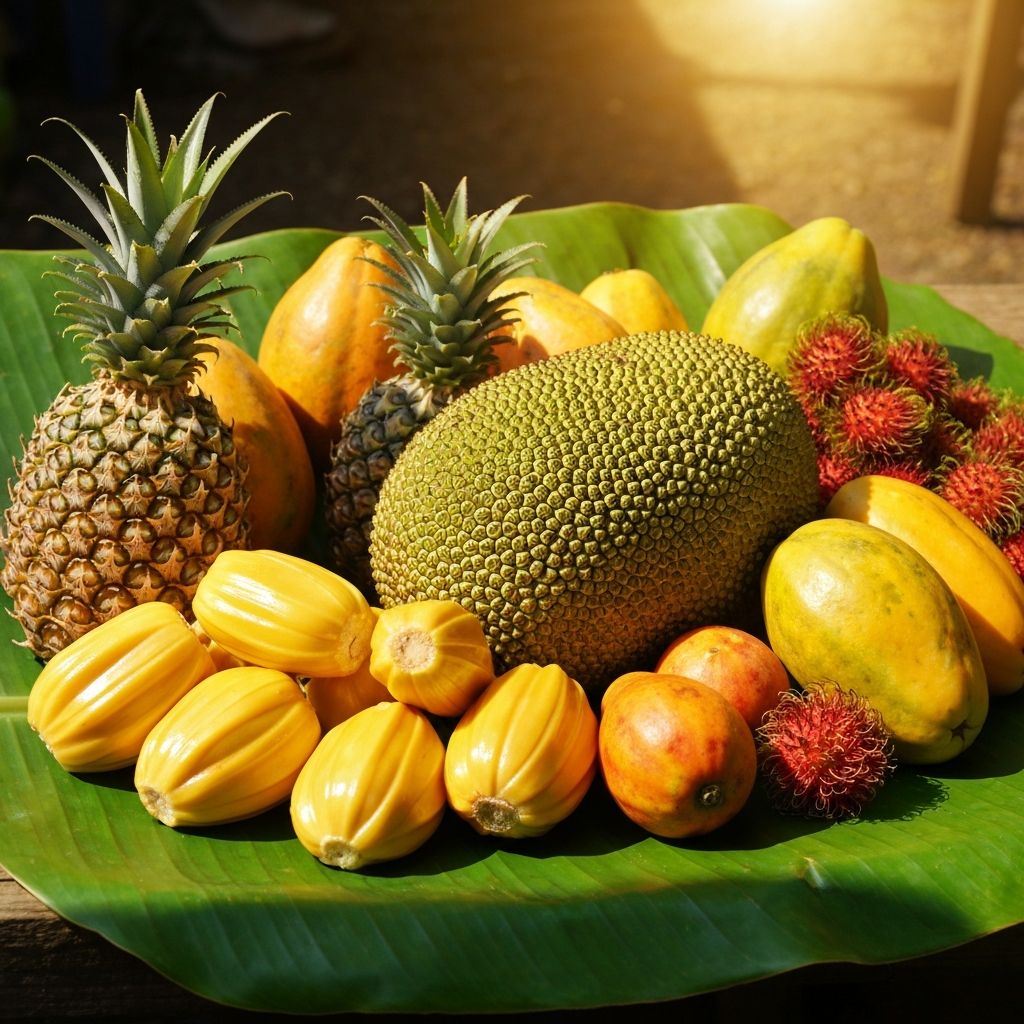
Tropical Fruit & Root Blend
Natural compounds from jackfruit, pandan, and local roots. This combination represents traditional island nutrition approaches used for centuries.
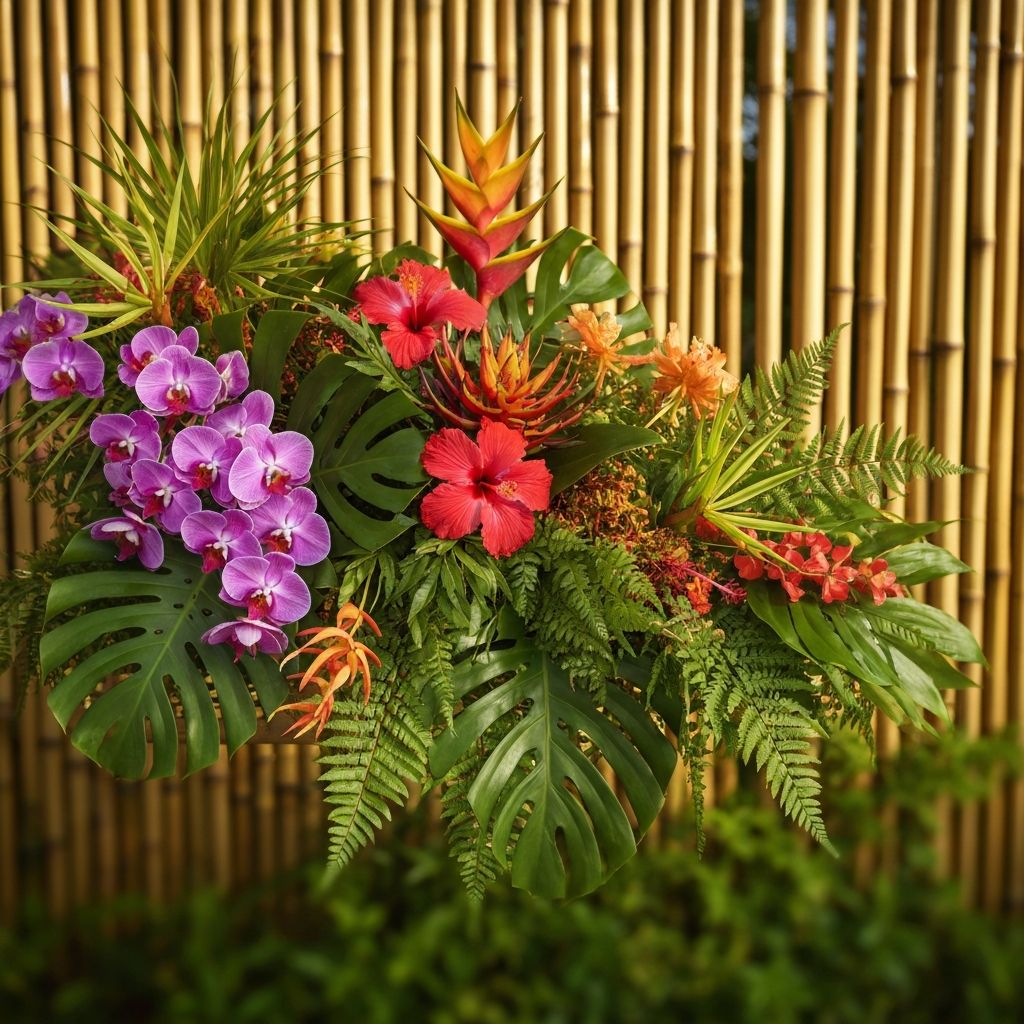
Island Botanical Essence
Concentrated elements from local plants and herbs. These natural compounds support a balanced approach to nutritional well-being.
Frequently Asked Questions
Island-sourced compounds are natural elements found in foods and plants grown in tropical island regions. These include marine-derived nutrients, tropical herbs, and locally-cultivated fruits and vegetables. They represent the nutritional foundation of traditional island diets and have been studied for their contributions to overall wellness.
Natural compounds in island foods provide nutritional elements that support the body's normal physiological processes. These foods contain components that contribute to maintaining flexibility and supporting normal movement. The mechanism involves providing dietary building blocks that support joint structures and overall musculoskeletal function.
Island compounds represent both traditional practices and modern scientific interest. These elements have been used in island cuisines for centuries, and many are now being studied by nutritional scientists. Both perspectives contribute to our understanding of how natural foods support wellness.
Marine sources provide unique bioavailability profiles for compounds like glucosamine and collagen. Ocean environments produce nutrients with specific molecular structures that differ from land-based sources. Island regions' access to fresh marine foods has created distinct nutritional traditions.
Yes, these compounds form the basis of traditional island diets. Incorporating island foods into daily nutrition represents a natural approach to balanced eating. Many people worldwide have adopted island nutritional practices as part of their wellness routines.
Island compounds support nutritional needs for both men and women. While individual nutritional requirements vary based on age, activity level, and health status, the natural compounds from island sources provide broad nutritional support applicable to all adults seeking balanced nutrition.
You can explore scientific literature on island foods, consult with nutrition professionals, and study traditional Asian nutritional approaches. Island region health departments and agricultural universities provide excellent resources on local compounds and their nutritional significance.
Key Context and Limitations
Information Nature
This website provides educational information about island-grown compounds and traditional nutritional approaches. All content is presented for informational purposes only and represents general knowledge about food sources and dietary elements.
Individual Variation
Nutritional needs vary significantly between individuals based on age, health status, activity level, genetics, and other factors. The information presented here does not account for individual differences and should not be considered personalized guidance.
No Personal Recommendations
This site does not provide personal nutritional recommendations or medical advice. Any dietary changes should be discussed with qualified healthcare professionals or registered dietitians who understand your individual situation.
Dietary Diversity
Numerous approaches to nutrition exist, and different dietary philosophies may work for different people. This website focuses on one perspective – island-based nutrition – but recognizes that many valid nutritional approaches exist.
Continue Your Learning Journey
Explore more detailed information about specific compounds and their roles in traditional island nutrition.
Explore the CompoundsGet in Touch
Send us a Message